Main office: Building A1, Dubai Digital Park, Dubai Silicon Oasis, Dubai, United Arab Emirates
MLRD OPERATIONS FZCO
Registration Number: 48943
Registration Number: 48943



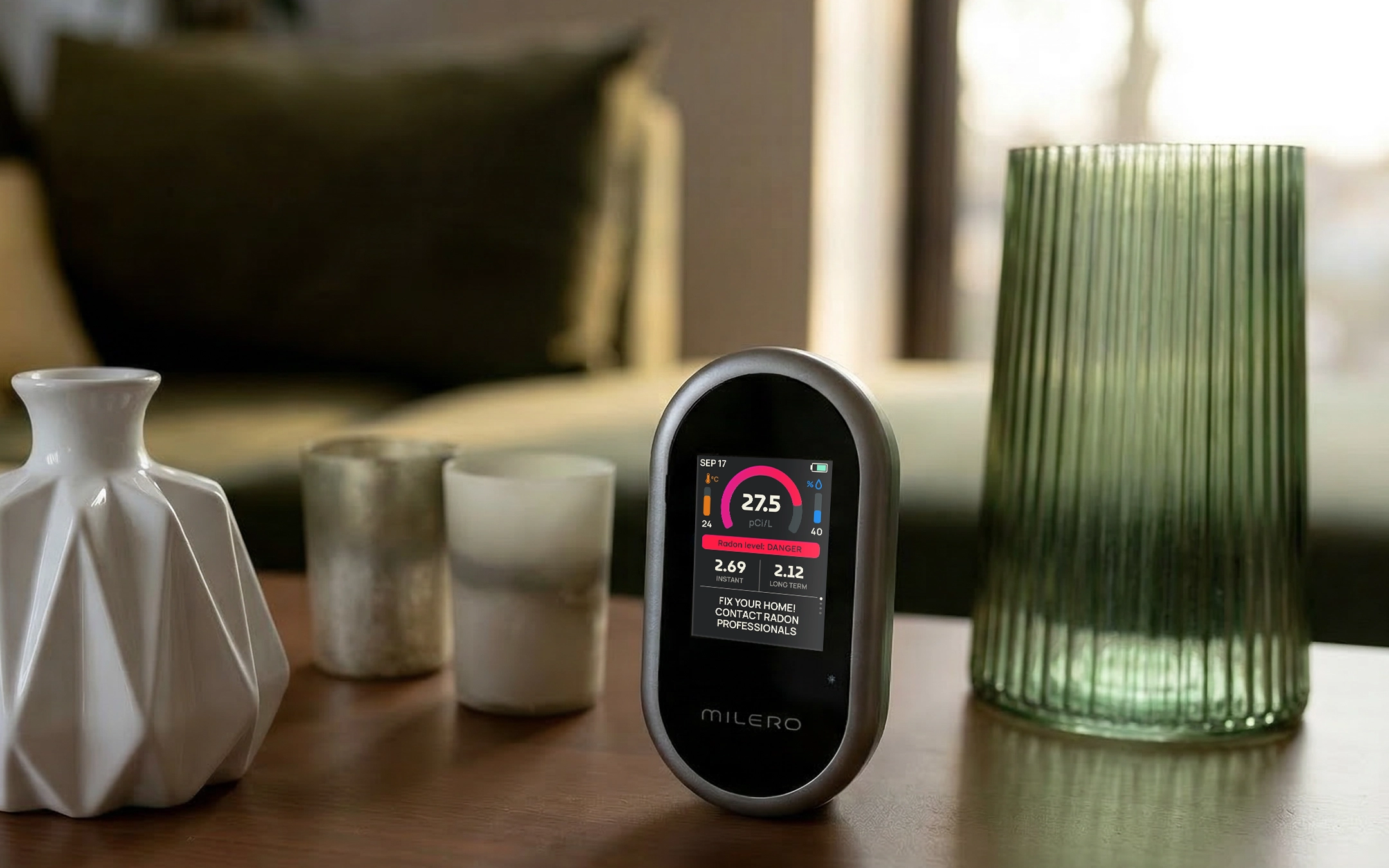
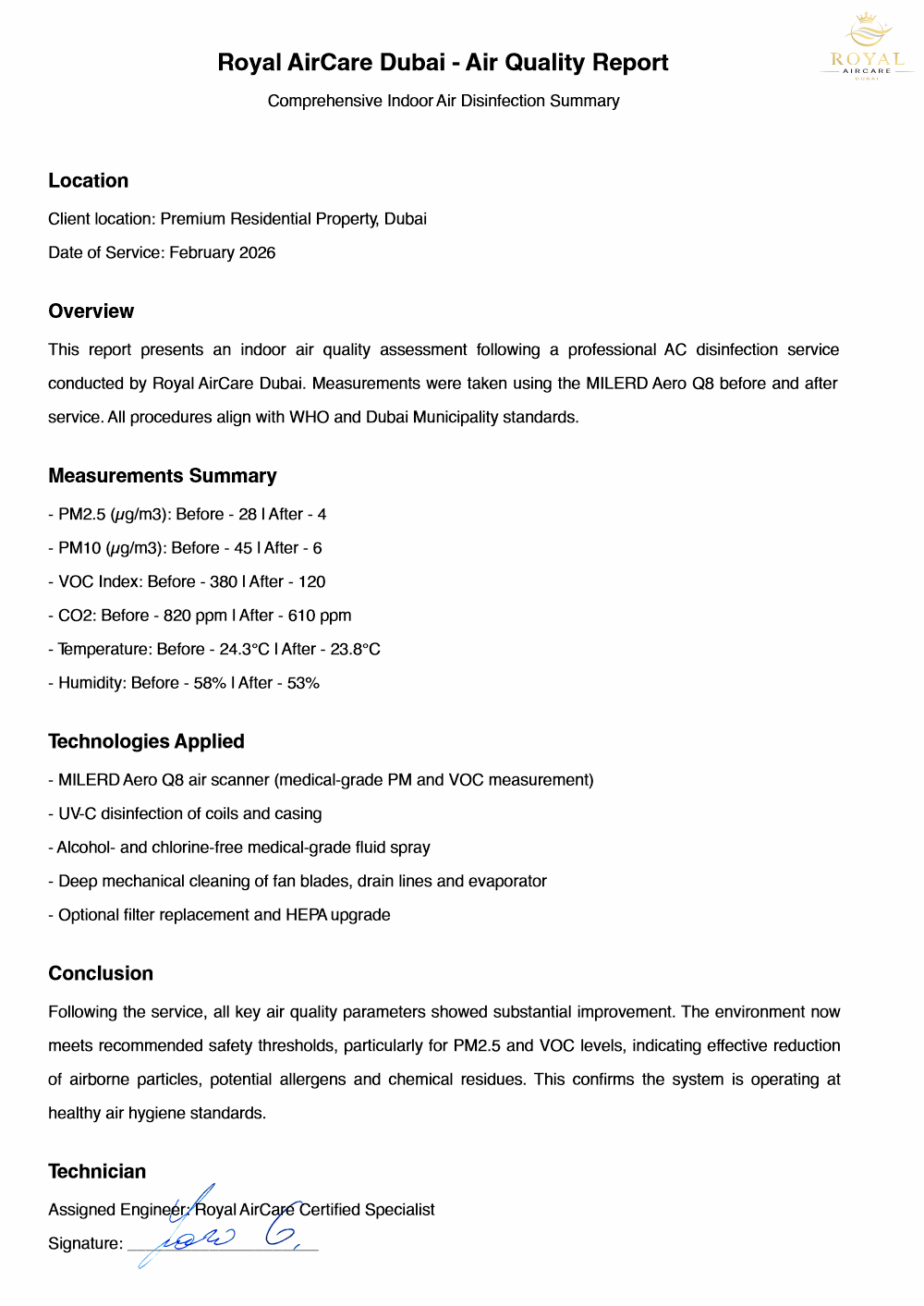
Our service is built around measurable compliance — ensuring HVAC hygiene and indoor air parameters meet recommended thresholds.






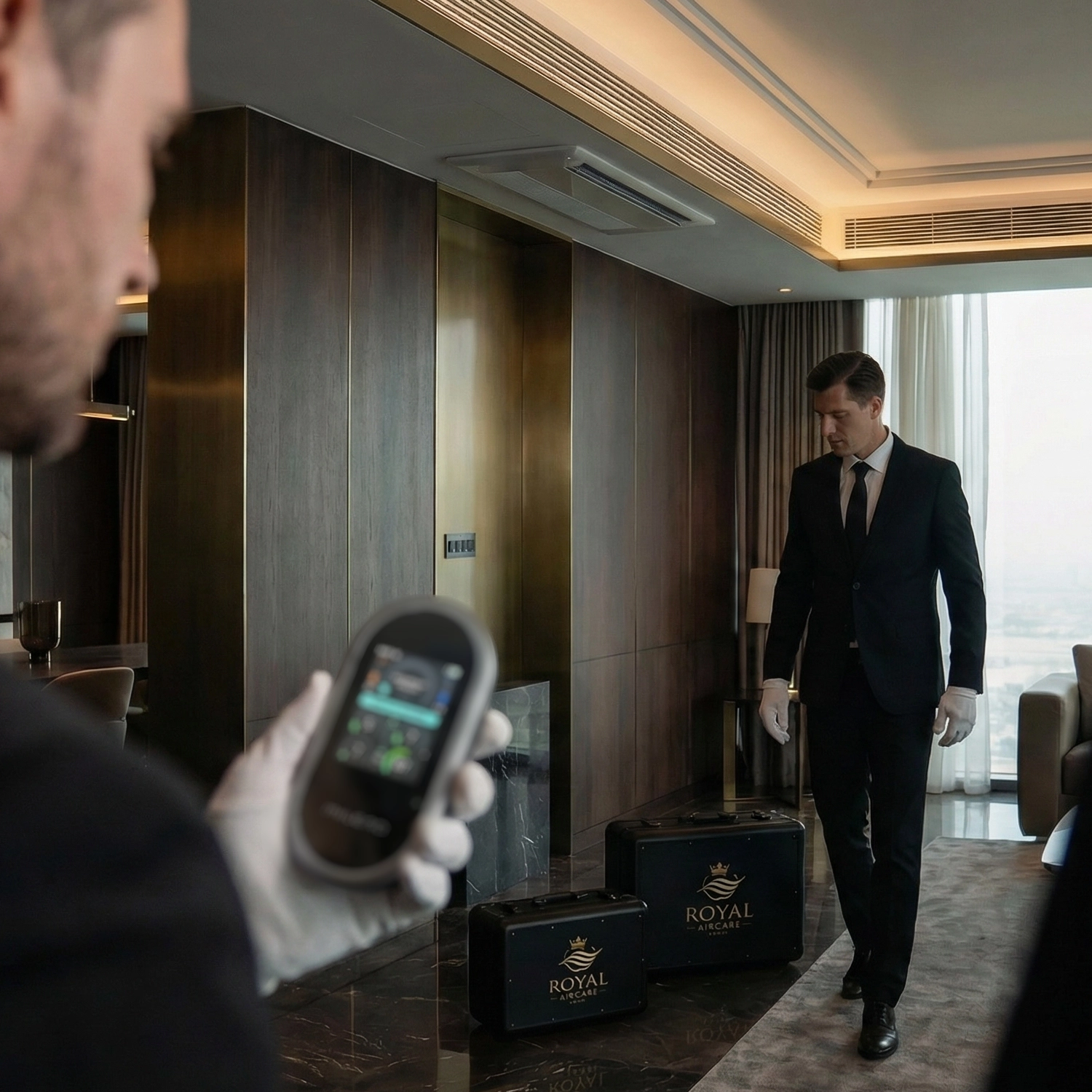
Every result is verified with specialized air quality instruments and recorded in official reports.
We offer both single premium visits and comprehensive annual memberships with scheduled maintenance throughout the year.

Fast and careful preventive service - to refresh both your air and your system.

Surface disinfection
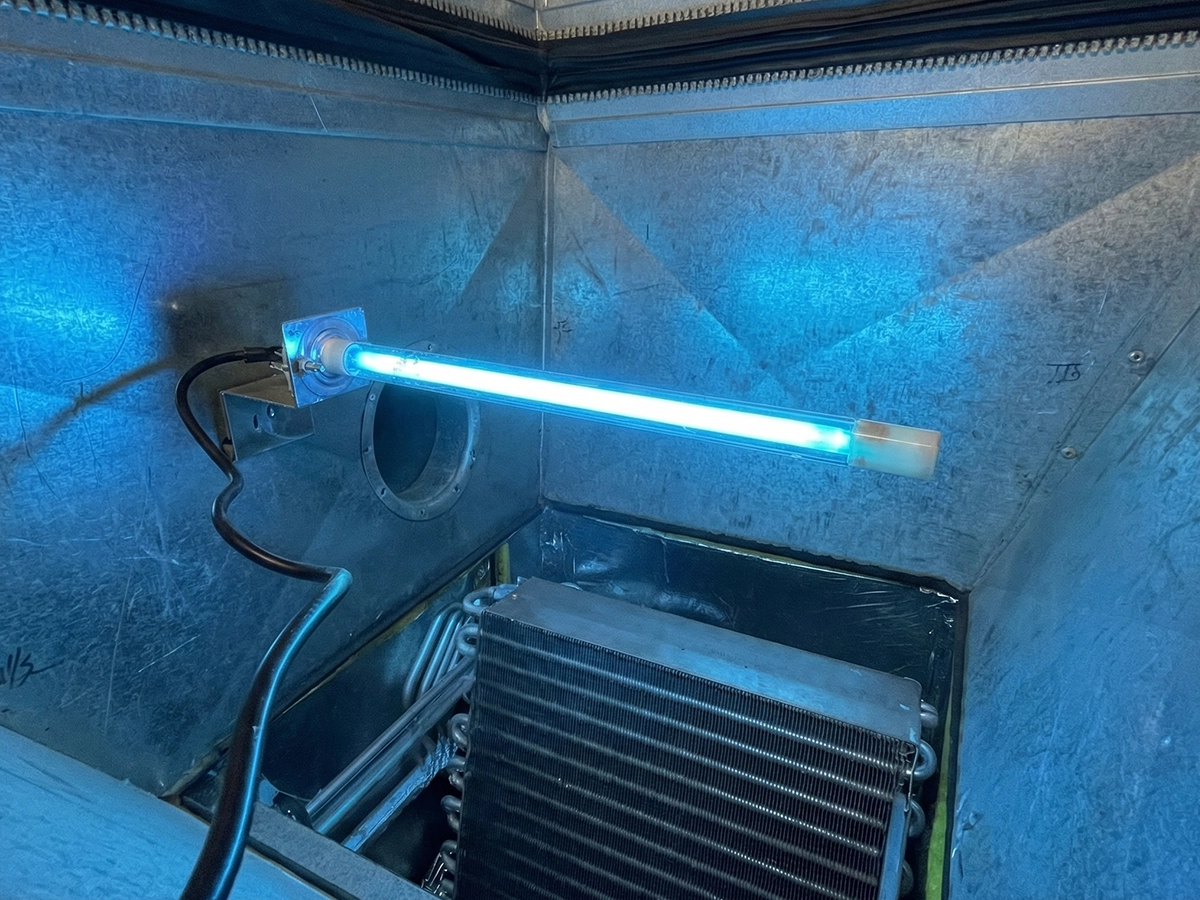
UV treatment
Deodorizing
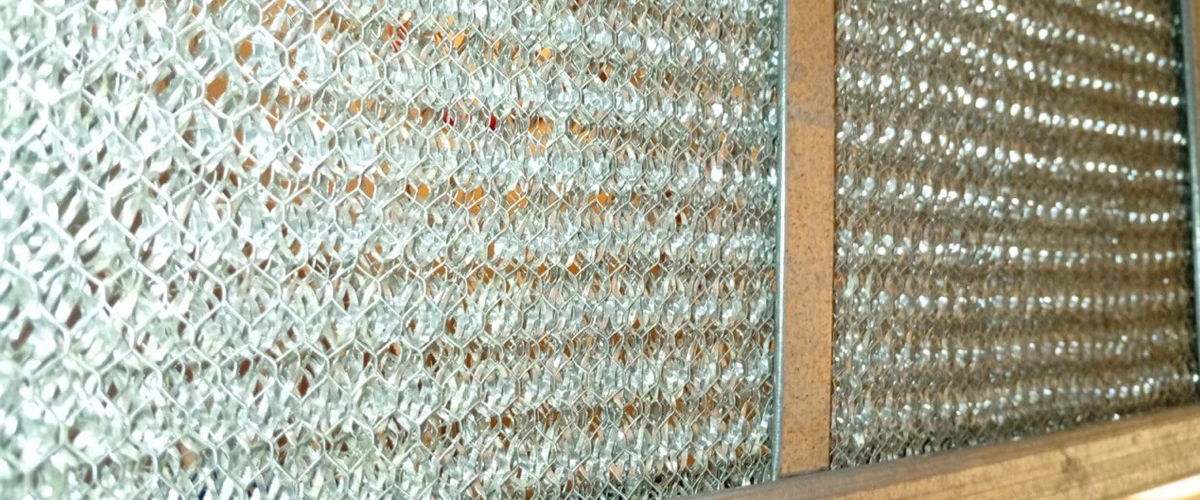
Filter and drainage cleaning (no dismantling)
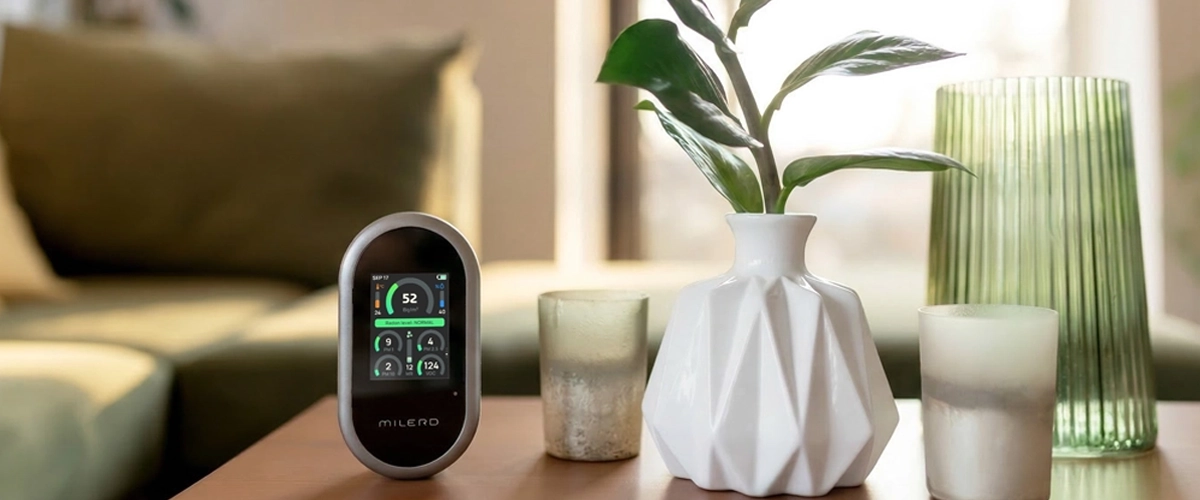
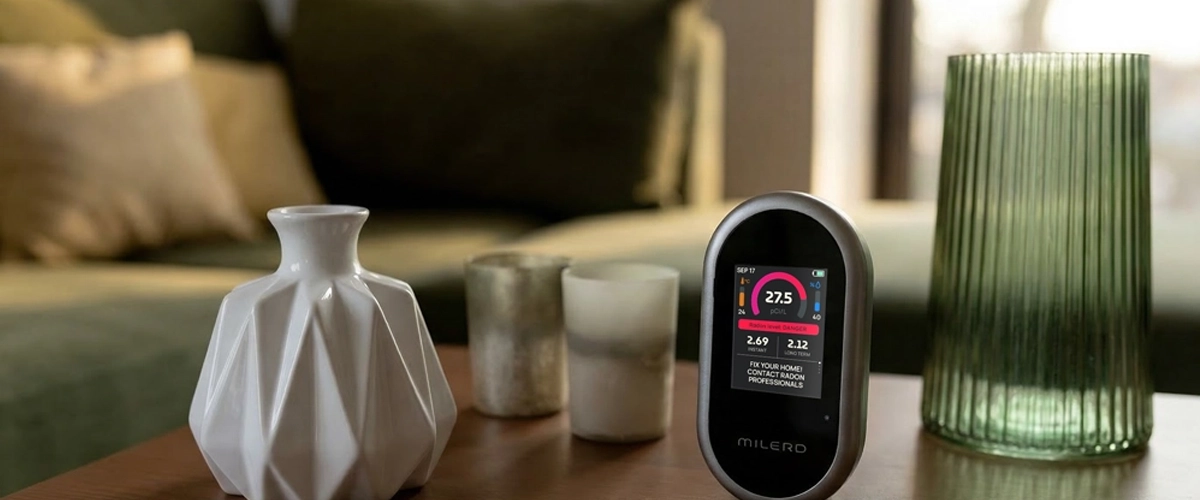
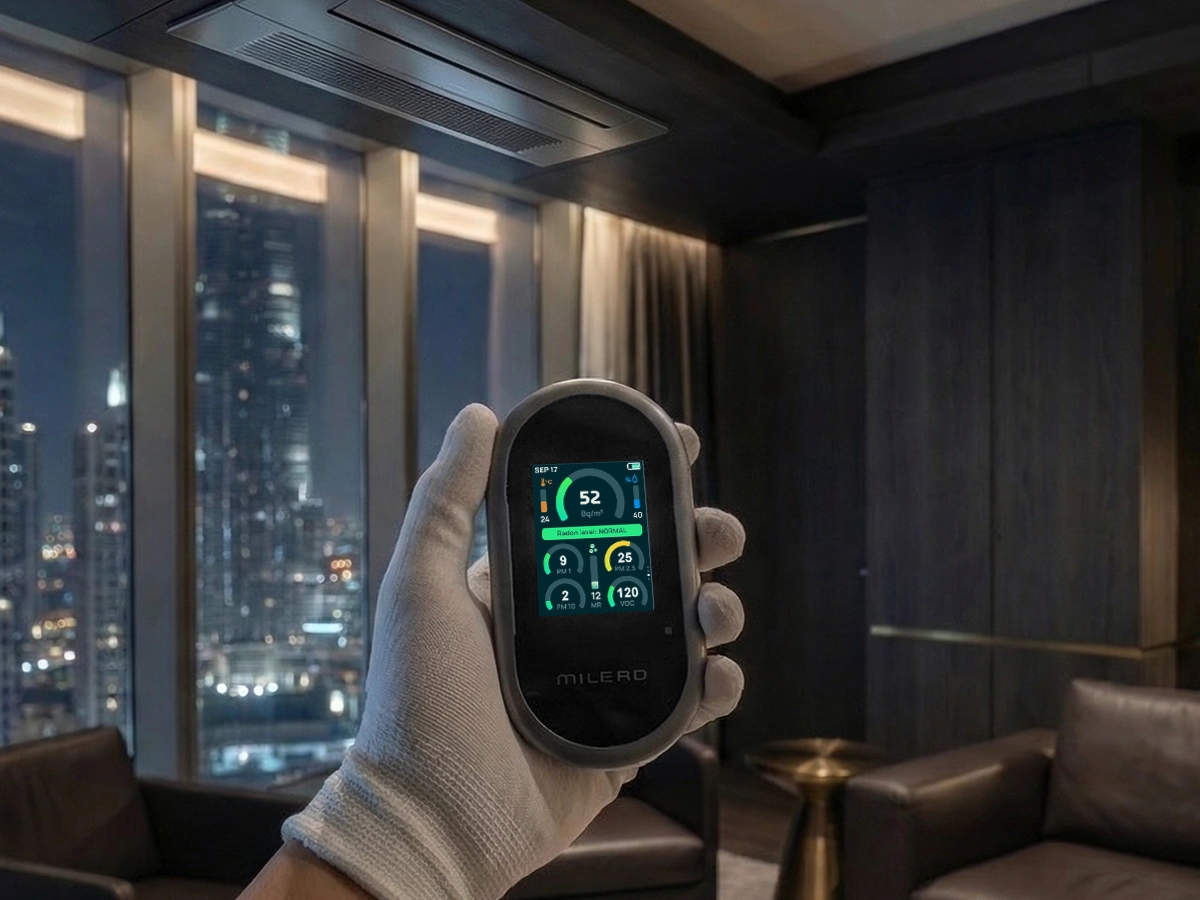
Aero Q8 air quality measurements before and after — visible directly on the device
Up to 2 indoor units
Deep cleaning with full dismantling. What’s hidden - we remove and show.
Complete AC disassembly
Cleaning of fan, drainage system, and heat exchanger
Replacement of standard filters
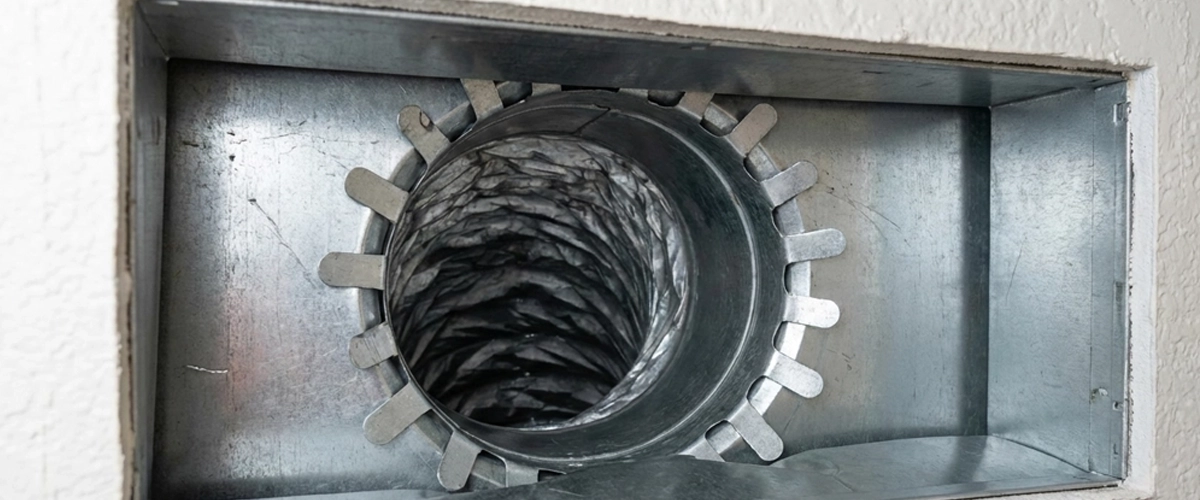
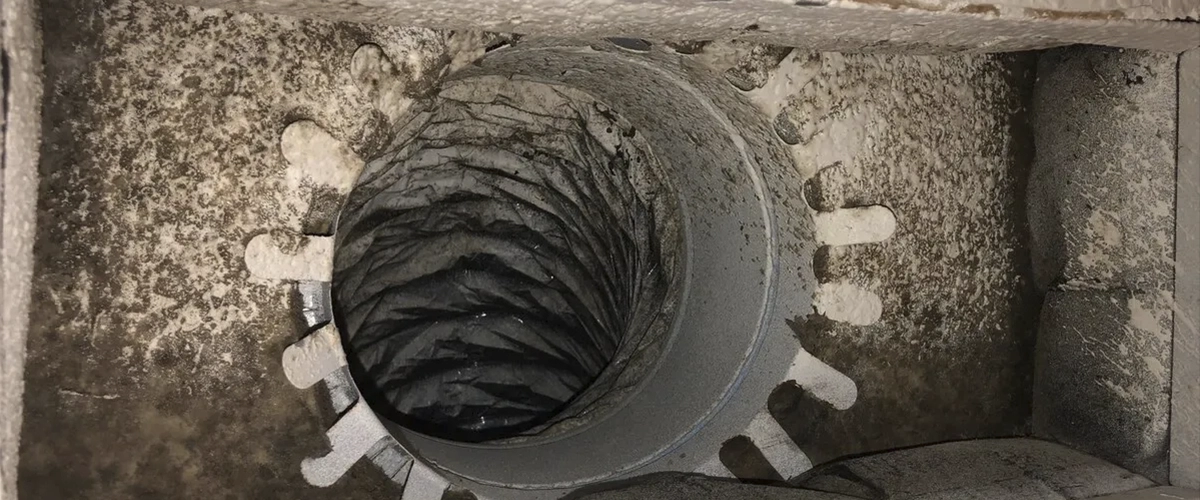
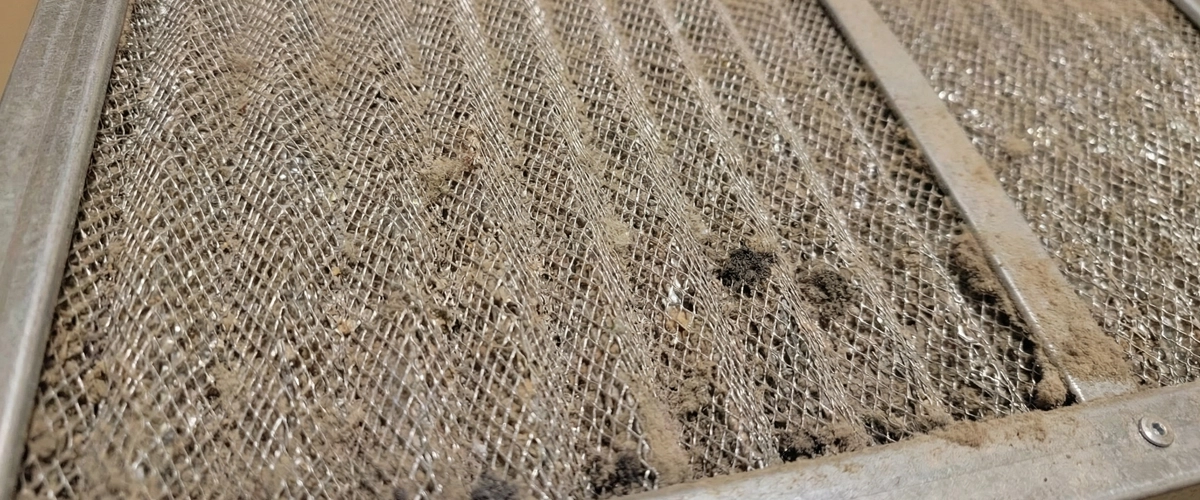
Photo documentation of contamination
Aero Q8 measurements before/after + engineer’s verbal assessment
Detailed WhatsApp report after service
Immediate visible and noticeable results after the visit
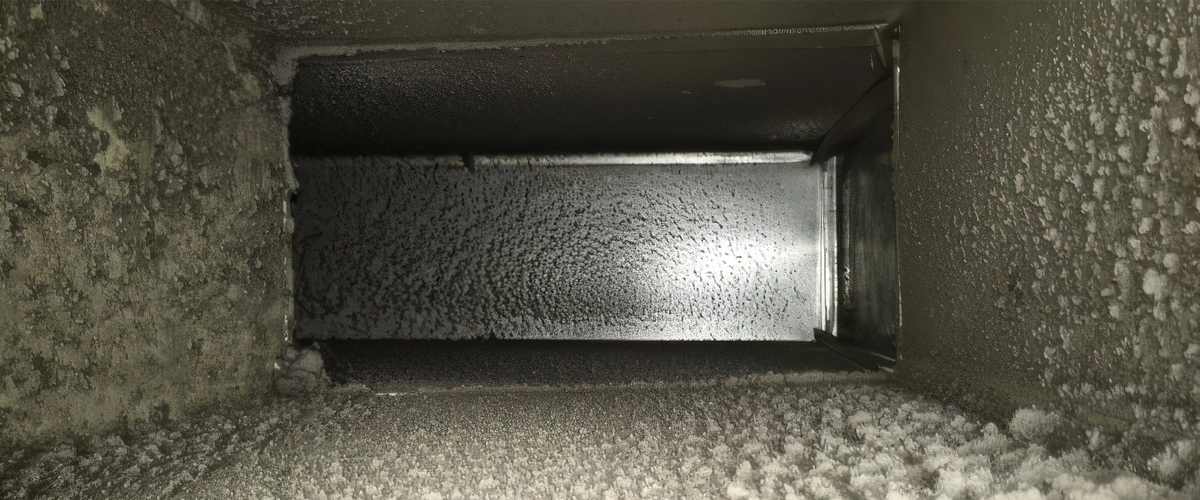
Removal of fungus, mold, dust, and odors
Save AED 1,000+ compared to similar laboratory testing
Official air quality report - laboratory-level insight, delivered at your home.
Everything included in Deep Clarity
Advanced Aero Q8 air quality measurements
Detailed PDF report with charts, IAQ standards, and before/after photos
“AC Passport” — documented service history and technical parameters
Up to 3 indoor units
Ideal for property rental, system monitoring, and sensitive occupants
Save AED 1,500+ compared to laboratory expertise

A clean-air membership.
Everything under control - all year round.

4 visits per year: 1× AirProof, 3× Deep Clarity
Dedicated engineer
Archive of all reports and performance trends over time
Priority service and a WhatsApp concierge
Ideal for villas, hotels, and families with children
Save up to AED 6,000 per year vs. one-time visits
Our service utilizes modern AC cleaning technologies to thoroughly sanitize internal system components, supported by professional air quality analysis.
Medical-grade monitor for PM1 / PM2.5 / PM10, VOCs, CO₂. Real-time diagnostics before and after disinfection. Comparable to lab-grade air quality reports.

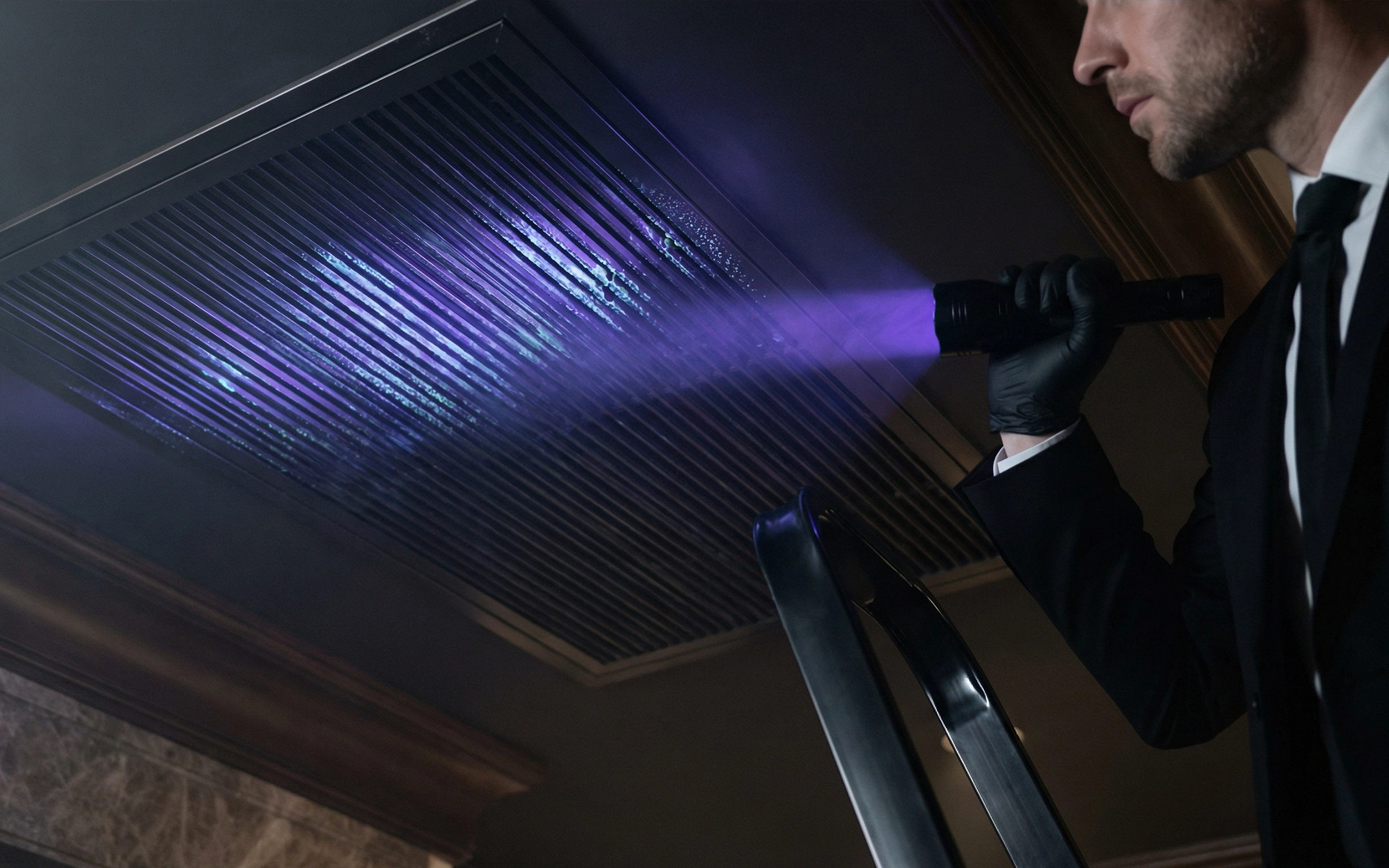
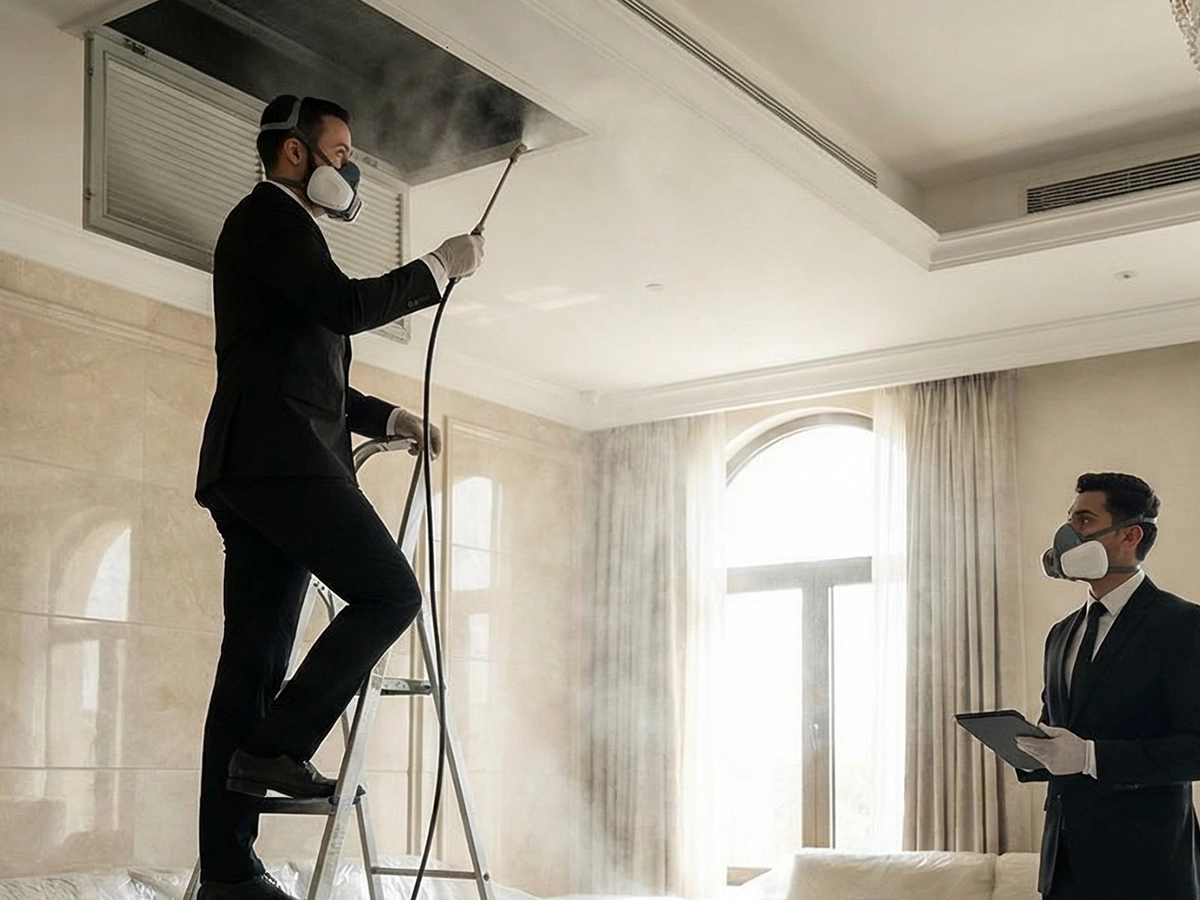
Kills bacteria, viruses, and fungal spores on coil and casing.Safe for indoor use, leaves no chemical residue.

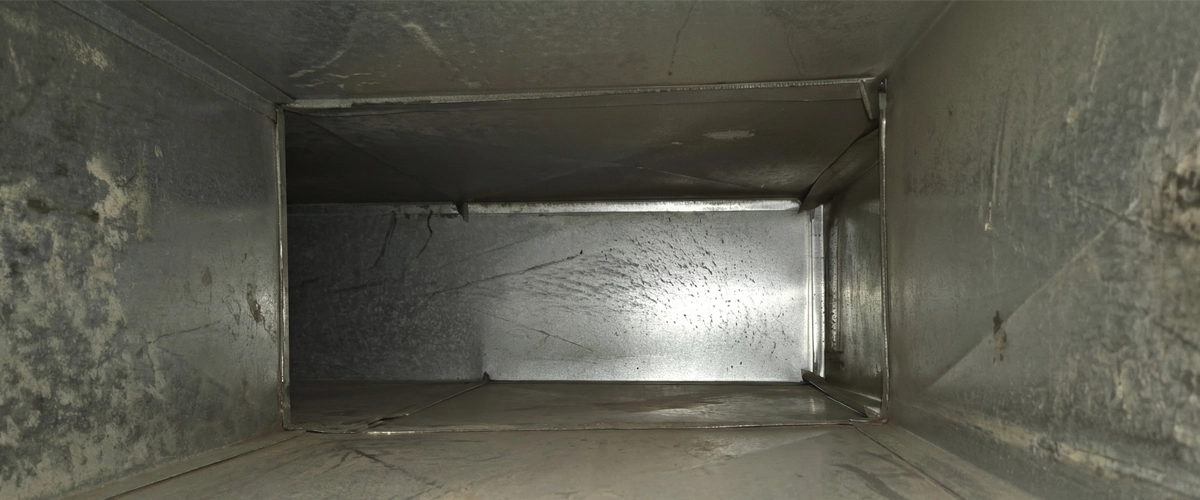
Access to hidden mold zones, biofilm layers, and drain lines.Photographic inspection & reporting

Alcohol- and chlorine-free. Approved for use in clinics, safe for pets and children.

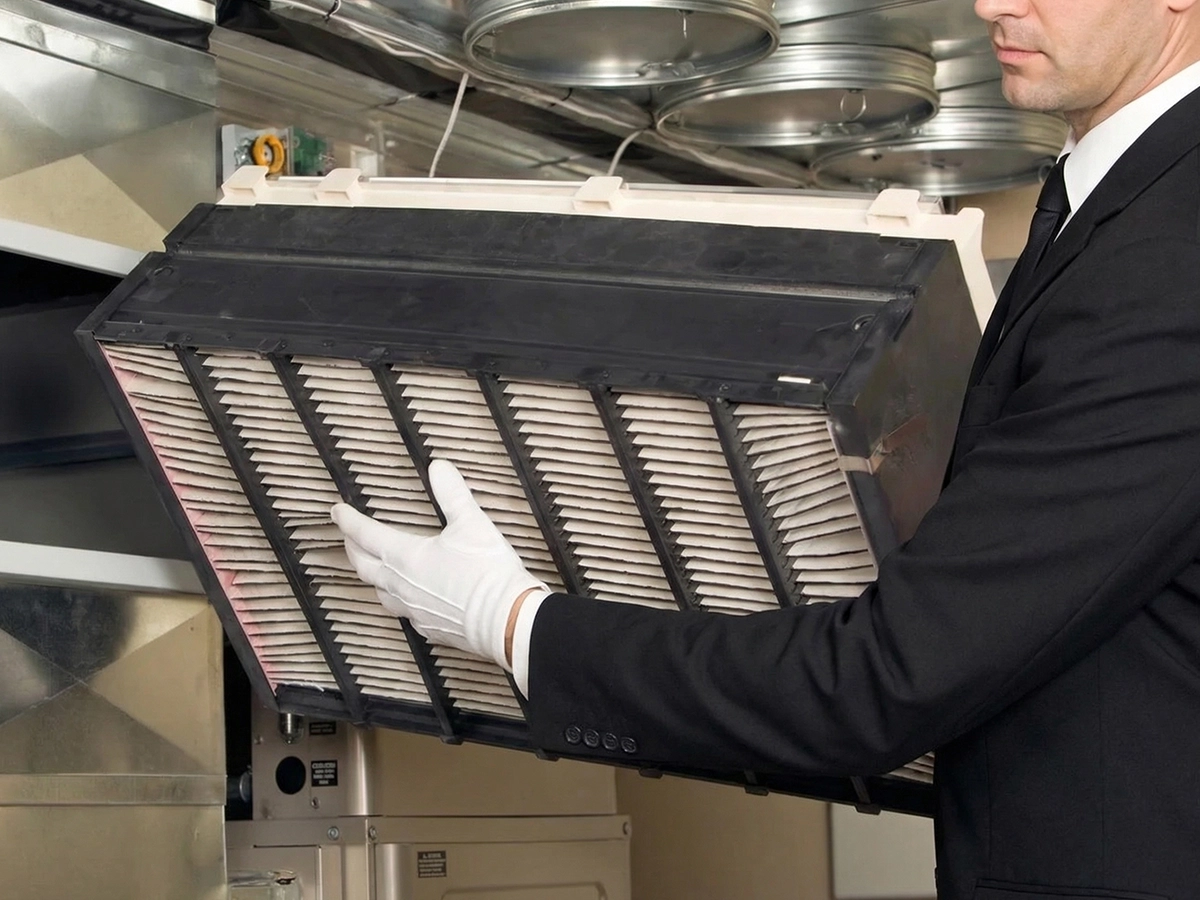
Optional upgrade for filter renewal.Efficiency ≥ 99.97% @ 0.3 microns.

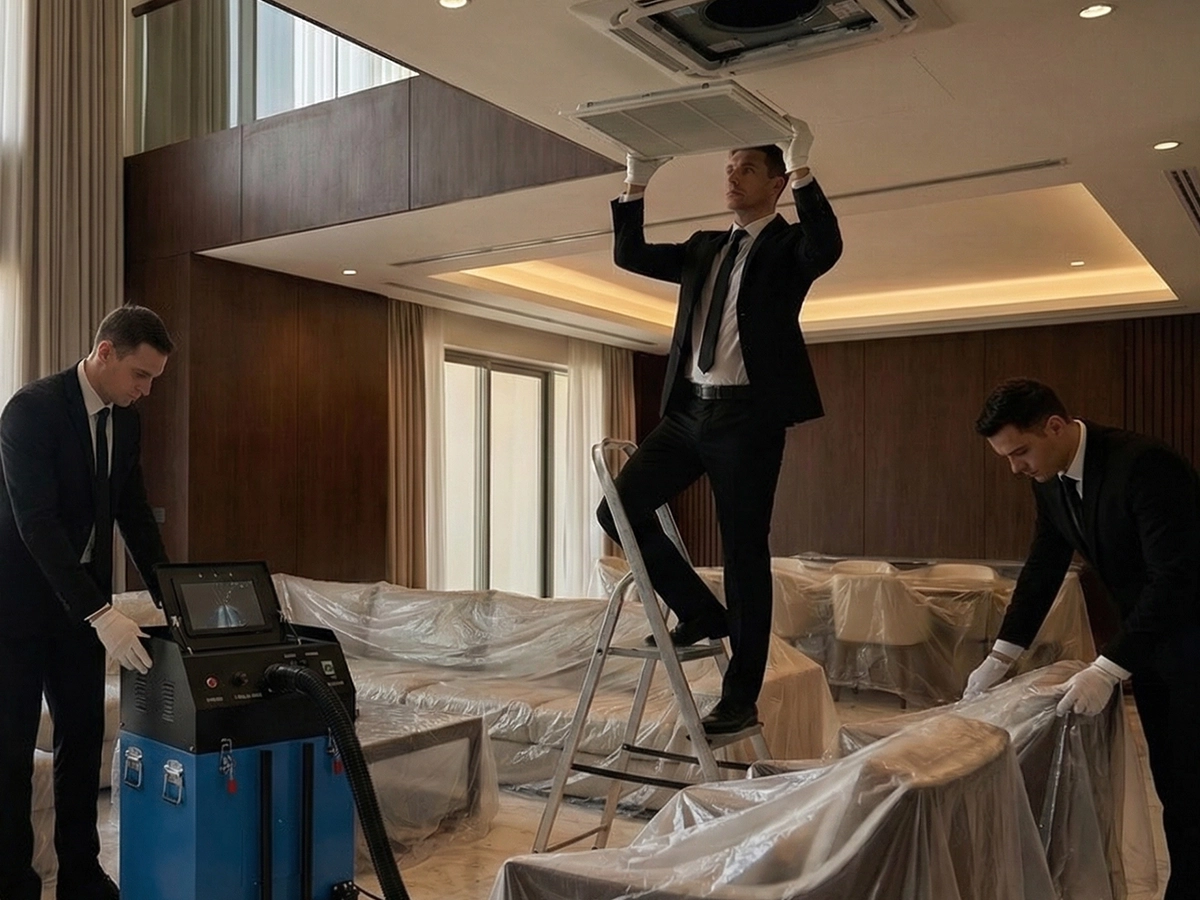
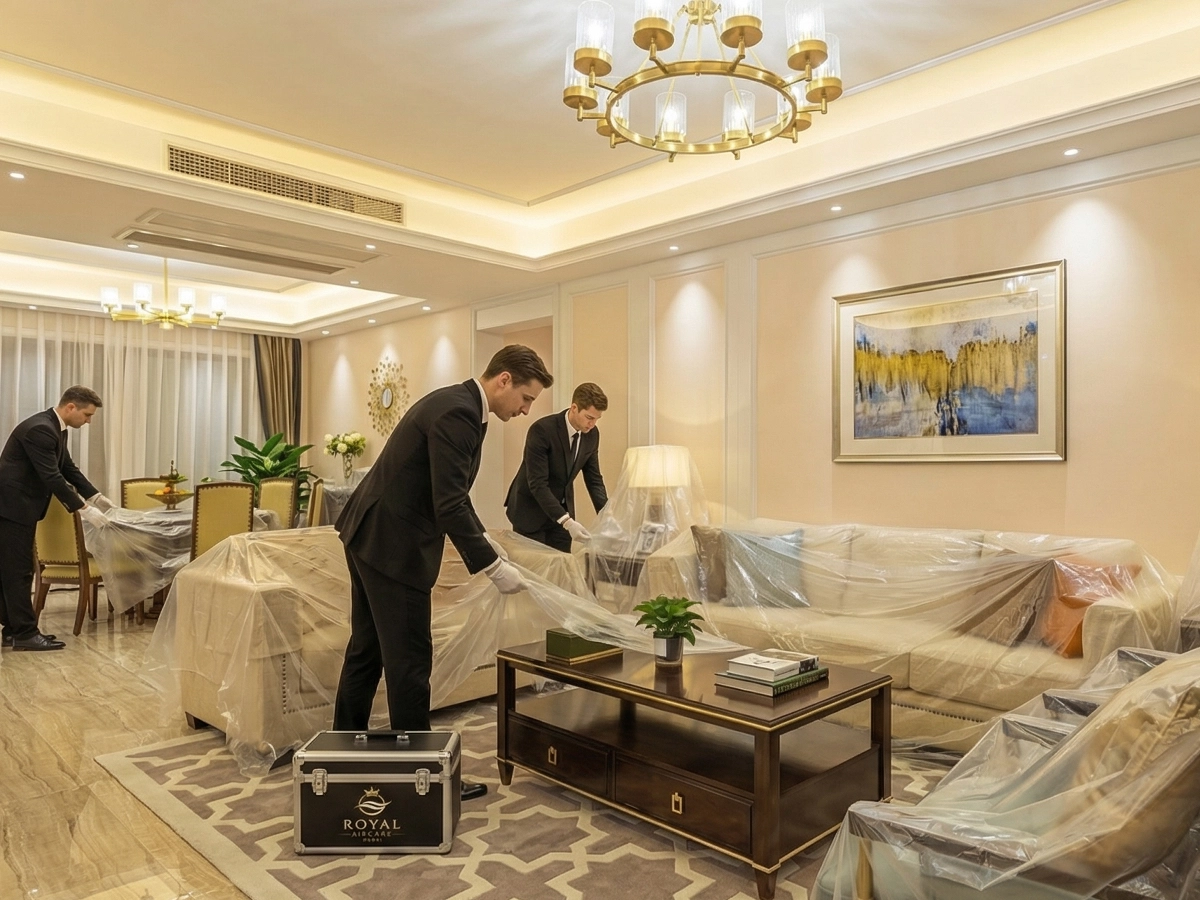
All nearby furniture and surfaces are covered with protective film to keep the space clean during service.





Your email address will not be published. Required fields are marked *
MLRD OPERATIONS FZCO
Registration Number: 48943
Office: Building A1, Dubai Digital Park, Dubai Silicon Oasis, Dubai, United Arab Emirates